carpenter's shack logo

Woods & Finishes

Natural character, thoughtful finishes, and materials chosen with care.
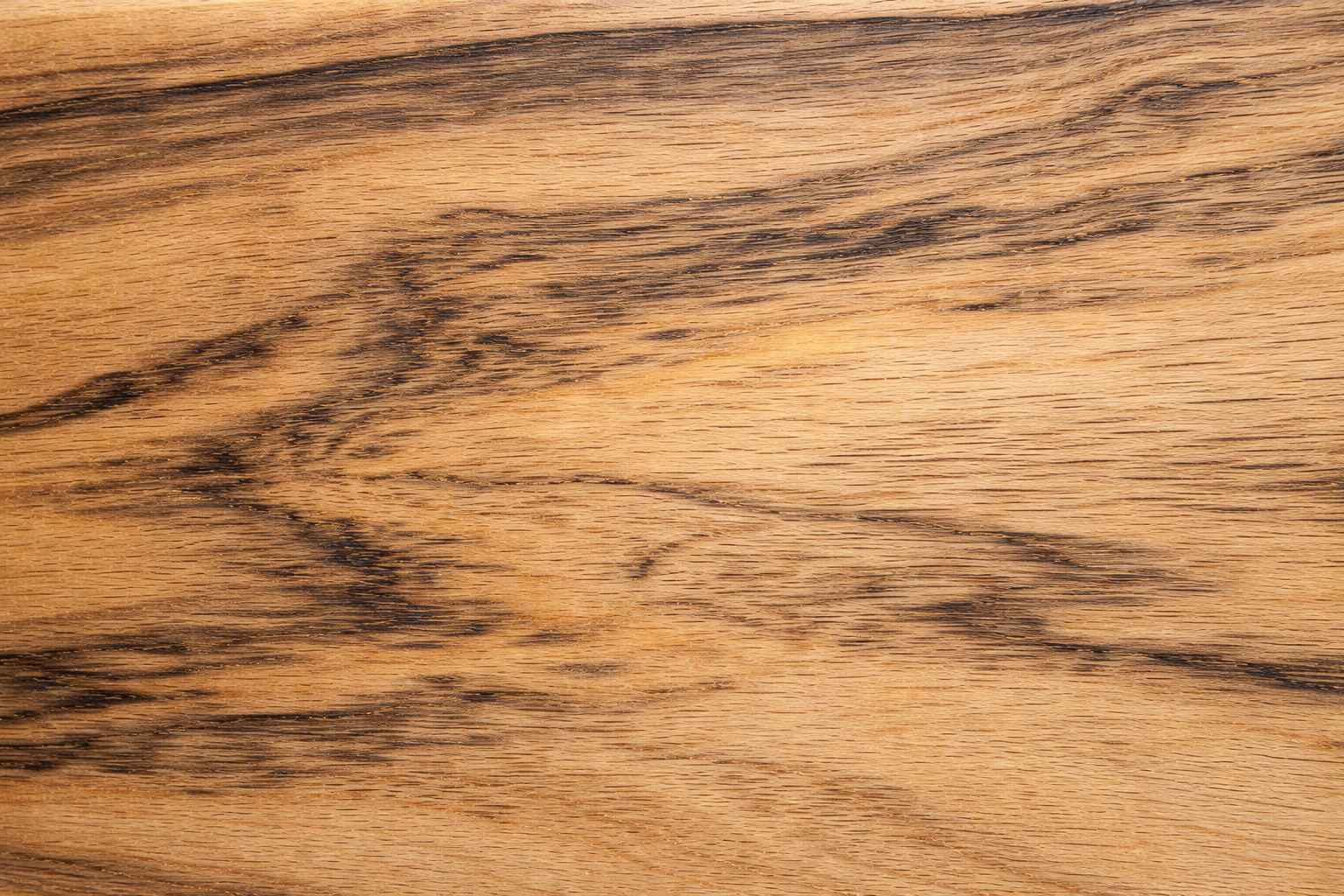
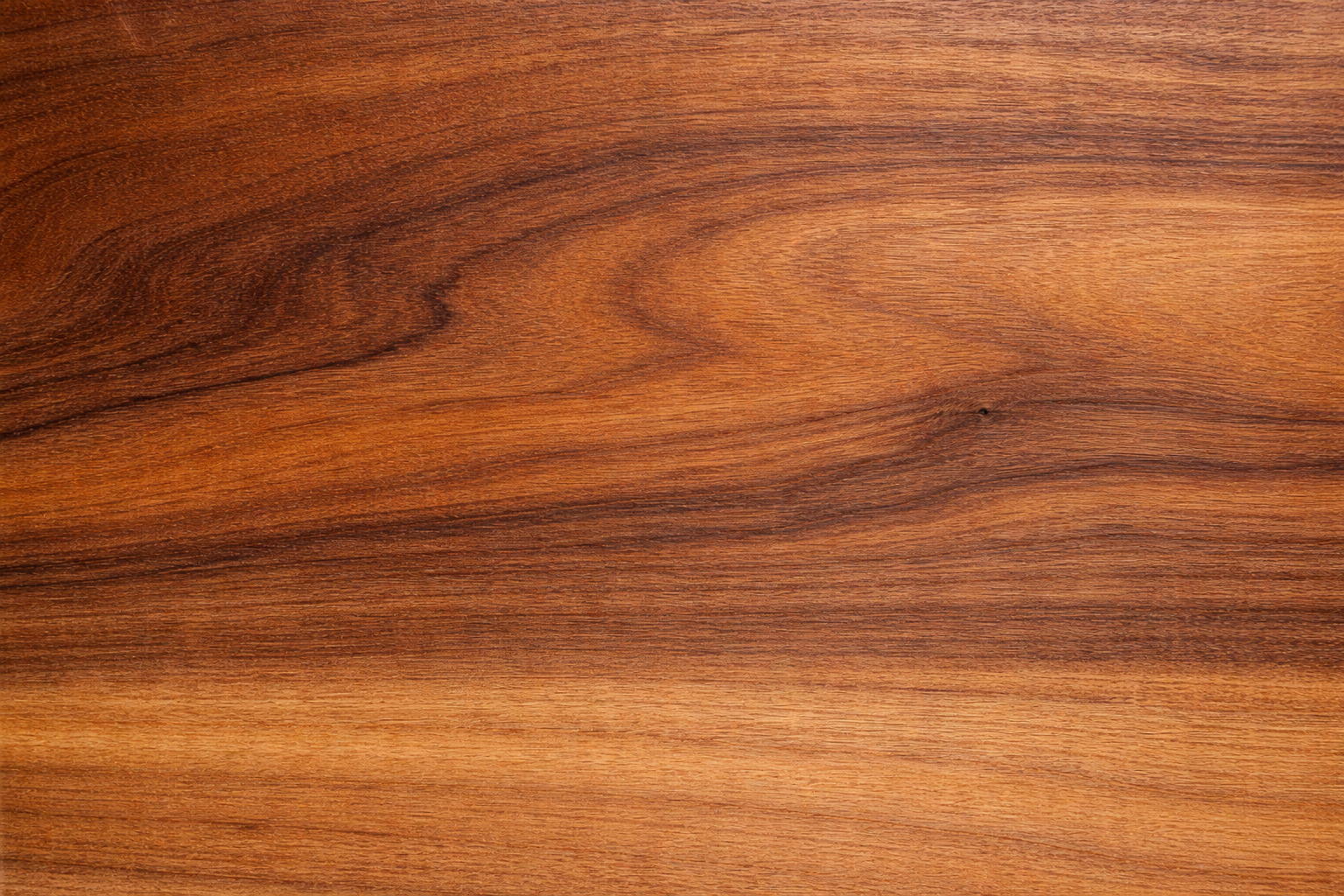
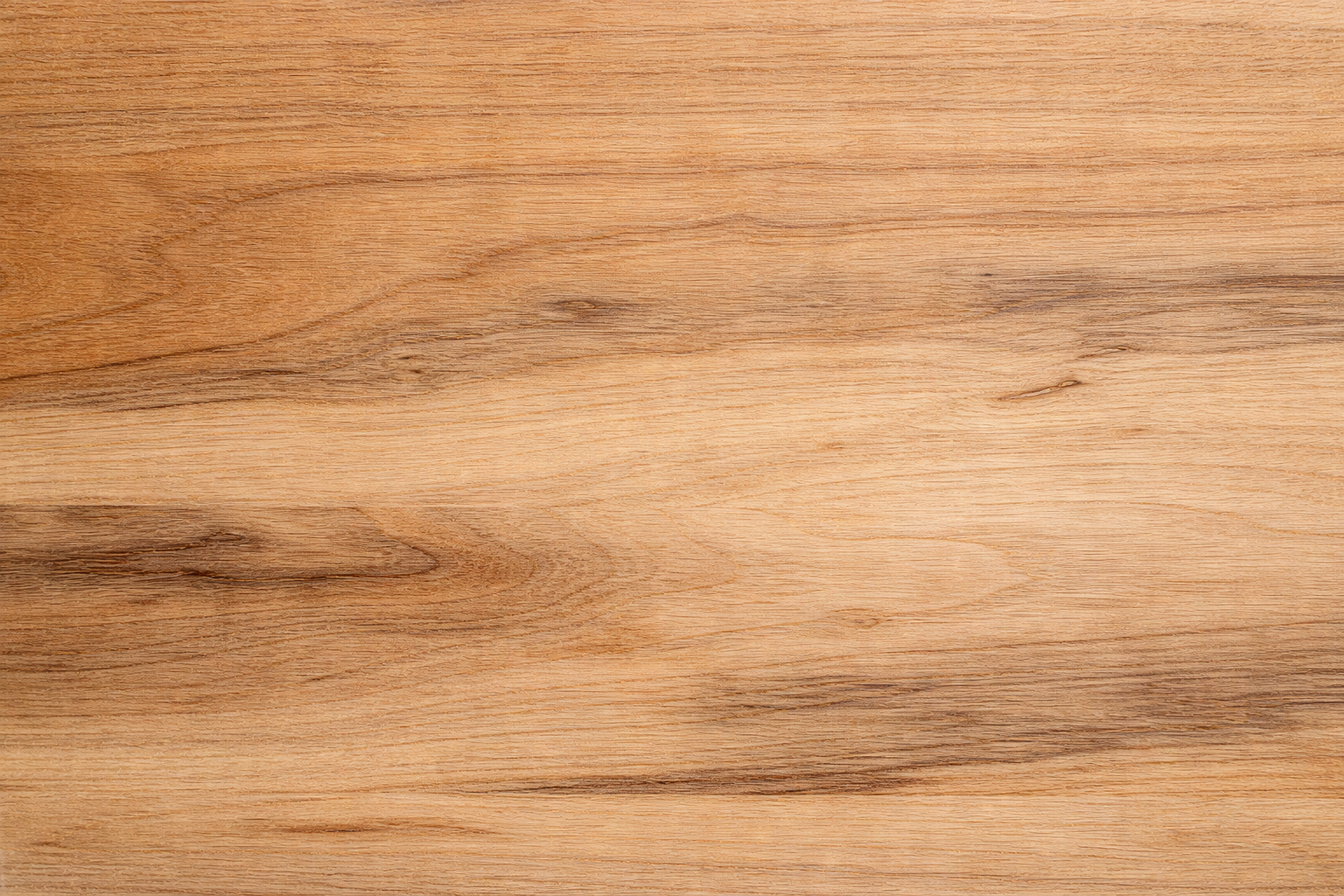
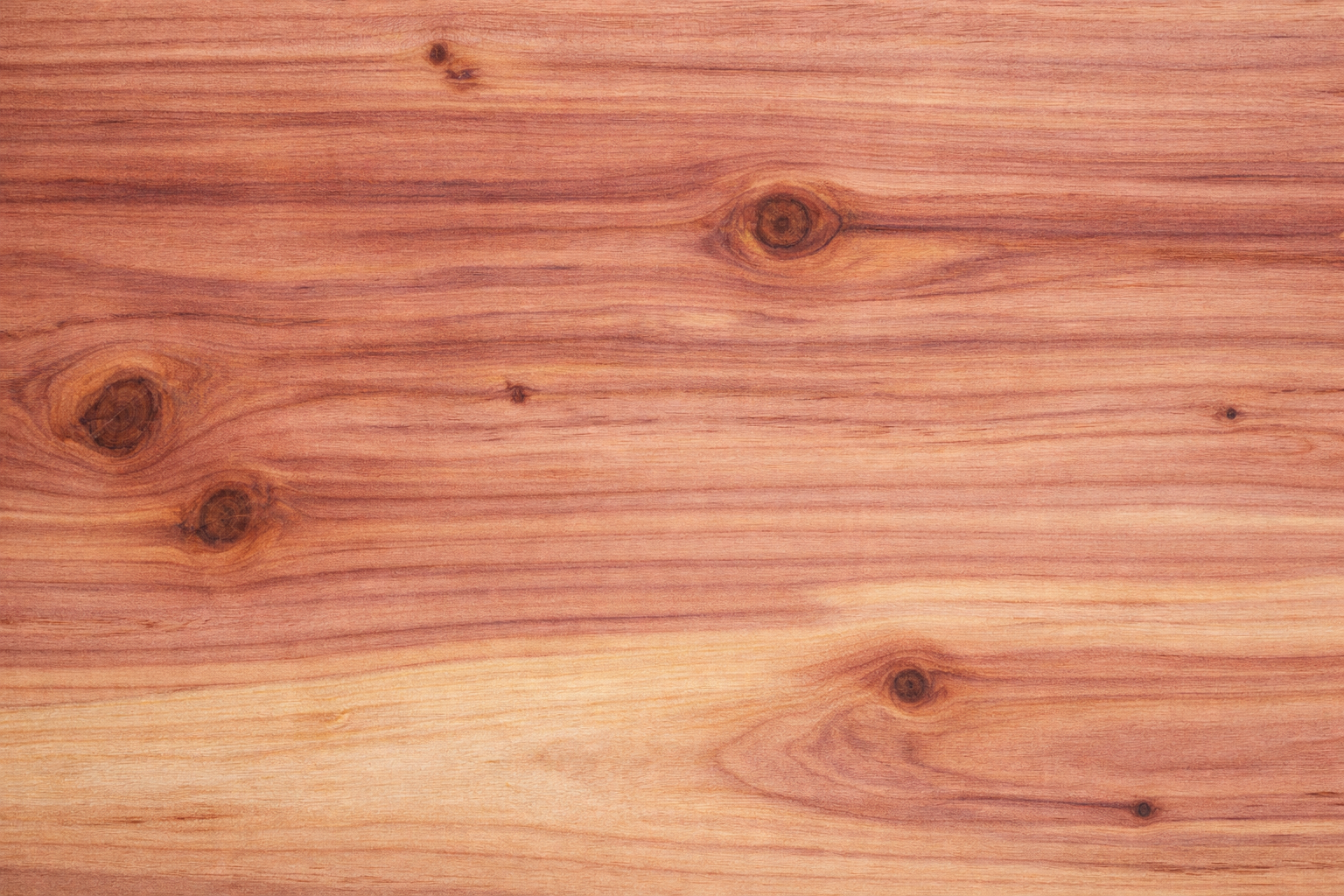
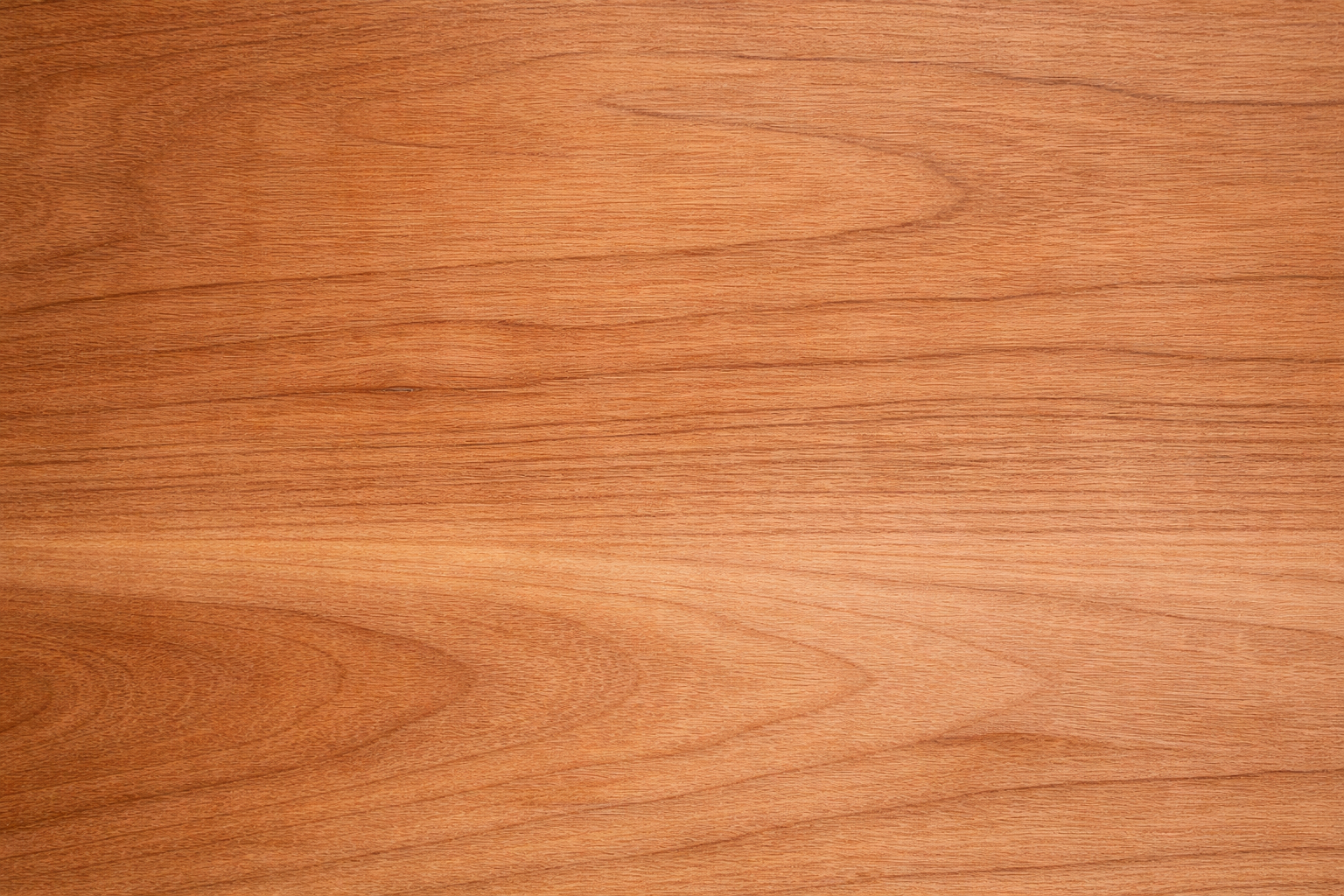
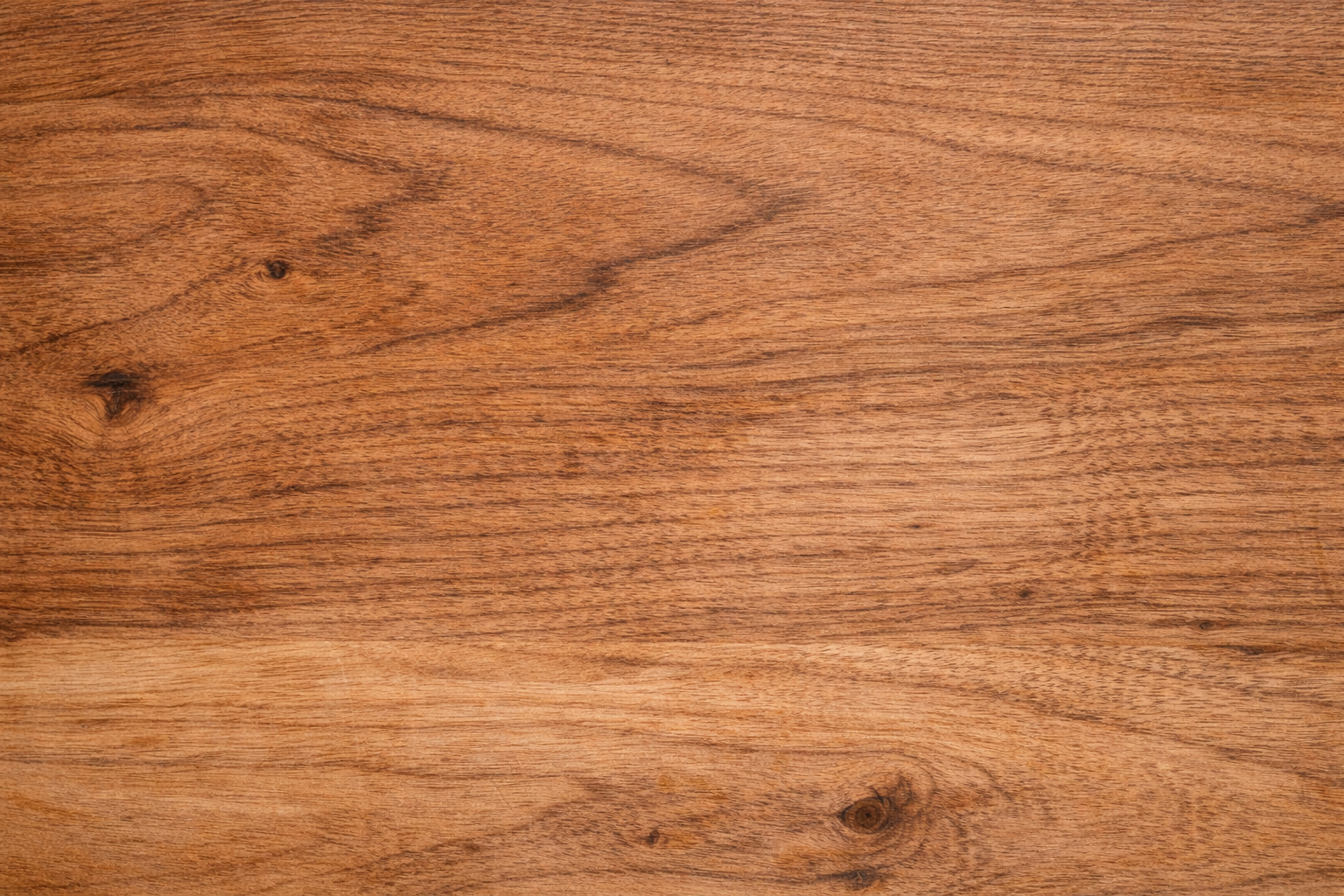
Every piece we make starts with carefully selected wood. Because wood is a natural material, each board carries its own grain, tone, and markings. Giving every finished piece a character of its own.

Our selections

Light, clean, and versatile with a classic straight grain.

European Ash

Warm and understated with a smooth, natural look.

Beech

Bold and distinctive with striking natural character.

Black Limba

Rich, dark, and elegant with a premium feel.

Blackwood

Softly refined and easy to style across many spaces.

Brown Maple

Warm, characterful, and naturally inviting.

Red Aromatic Cedar

Classic reddish tones that deepen beautifully over time.

American Cherry

Rustic warmth with timeless charm.

Chestnut

Light and airy with a soft, natural feel.

Cottonwood / South African Poplar

Rich reddish-brown tones with beautiful depth and presence.

Kiaat / African Teak

Natural Variations

Variation is part of the beauty of solid wood. Differences in grain, colour, and texture are to be expected and help make each piece unique.

Finished with Care

We finish each piece to protect the wood while bringing out its natural beauty. The final look may vary slightly from one piece to another depending on the wood chosen.

Choosing the Right Wood

Some woods feel light and clean, while others are rich, bold, or rustic. If you are unsure which option suits your piece best, we are happy to guide you.
Need help choosing a wood? Get in touch and we can guide you based on the look and use of your piece.

Associations: versatile, elegant, reliable, resilient, traditional
Ash wood is a hardwood that comes from trees of the Fraxinus genus, which are native to various regions in North America, Europe, and Asia. Ash wood has a long history of use in woodworking and has been utilized for a wide range of purposes.

Historically, ash wood has been used for furniture, cabinetry, tool handles, sports equipment (such as baseball bats and hockey sticks), flooring, and even musical instruments. It has been prized for its strength, durability, and attractive appearance.

Ash wood is known for its light color, which ranges from pale yellow to light brown, with occasional streaks of darker grain patterns. The wood has a straight grain with a uniform texture, which gives it a clean and sleek appearance. It has a relatively coarse texture, but it is smooth to the touch and is easy to work with both hand and power tools.

One of the most notable characteristics of ash wood is its exceptional strength and toughness. It is known for its high bending and shock resistance, which makes it ideal for applications that require durability and stability. Ash wood has a high strength-to-weight ratio, which means it is strong but not overly heavy, making it suitable for a variety of uses.

Ash wood is also known for its excellent workability. It is relatively easy to machine, shape, and sand, and it takes stain, paint, and finish well, allowing for a smooth and polished final result. Ash wood can also be steam-bent, which makes it suitable for curved or shaped applications.

In addition to its mechanical properties, ash wood is also known for its relatively good stability. It has low movement in response to changes in temperature and humidity, which reduces the risk of warping or shrinking. This stability makes it suitable for furniture, cabinetry, and other woodworking projects that may be exposed to changing environmental conditions.

Ash wood has faced challenges in recent years due to the spread of the emerald ash borer, an invasive beetle that has devastated ash tree populations in North America. As a result, ash wood has become less abundant and more expensive, leading to increased interest in alternative wood species or reclaimed ash wood.

Despite these challenges, ash wood remains a popular choice among woodworkers and furniture makers for its strength, durability, workability, and attractive appearance. Its long history of use in woodworking and its unique characteristics make it a versatile and valued material in various applications.
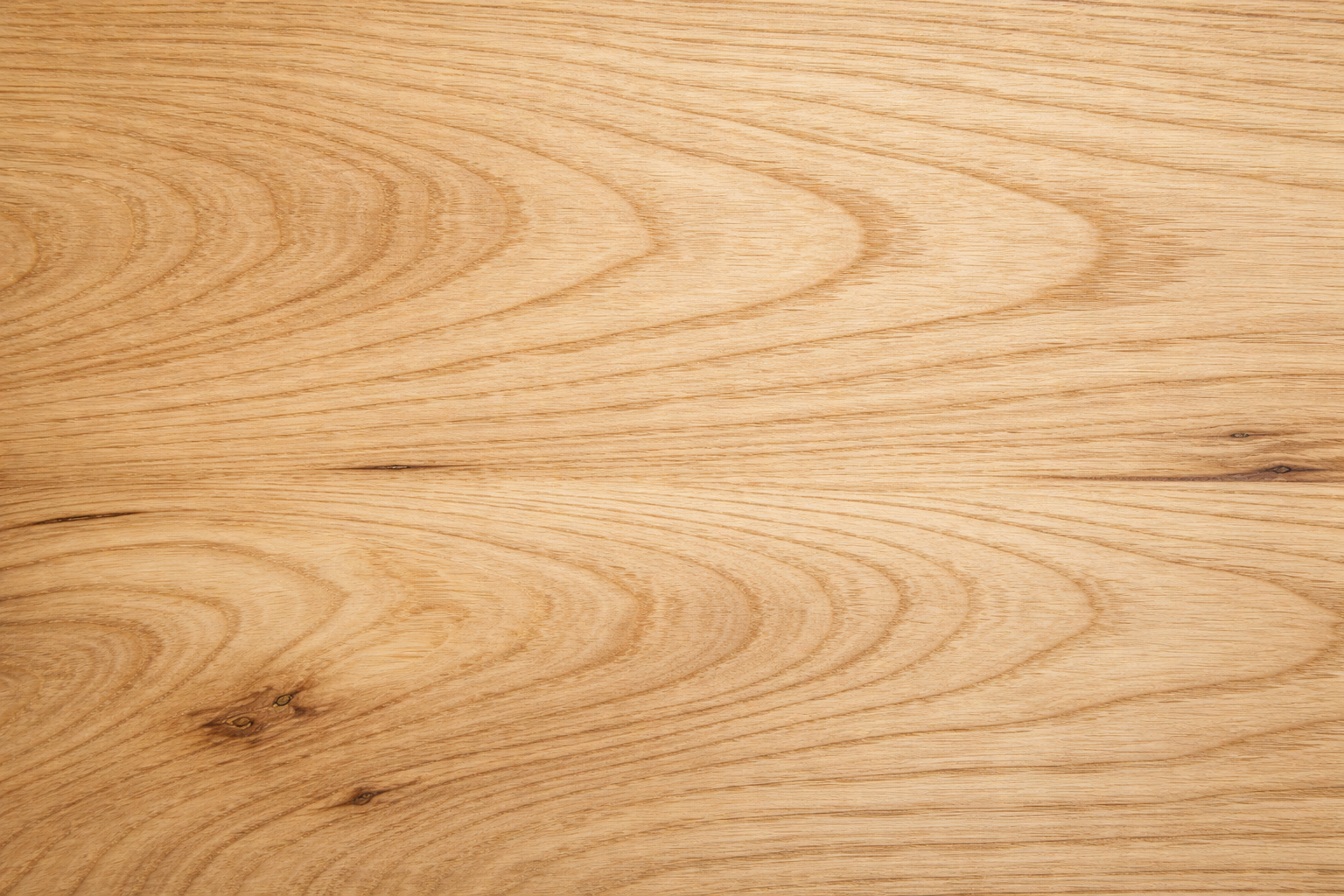
Associations: warm, timeless, natural, durable, harmonious
Beech wood is a hardwood that is native to Europe, Asia, and North America. It belongs to the Fagaceae family of trees and is part of the Fagus genus, which includes around 10 different species.

The use of beech wood dates back to ancient times, with evidence of beech wood furniture found in archaeological sites dating back to the Bronze Age. In medieval times, beech was a popular choice for carving religious icons and statues, and it was also used for shipbuilding and other practical applications.

One of the most notable characteristics of beech wood is its pale, creamy colour, which can vary depending on the species and the region where it is grown. The wood has a fine, even grain and a smooth, uniform texture, making it a popular choice for furniture and cabinetry.

Beech wood is also known for its hardness and durability, making it ideal for applications where strength and resistance to wear are important. It is relatively easy to work with, though it can be difficult to stain or finish due to its dense, tight grain.

In addition to its practical applications, beech wood is also valued for its ecological benefits. Beech trees are fast-growing and help to purify the air and regulate water levels in the soil. They also provide habitat for a variety of wildlife and support biodiversity in forest ecosystems.

Associations: striking, exotic, unique, artistic, modern
Black limba wood is a tropical hardwood that is native to West Africa, particularly found in countries like Cameroon, Gabon, and Congo. It belongs to the Terminalia superba tree species and is also known by several other names such as Ofram, Korina, and Afara.

The wood was first introduced to the world market in the 1950s and became popular among guitar makers in the 1960s and 1970s for its tonal characteristics. It is also used in furniture making, flooring, and decorative veneers.

Black limba wood is known for its attractive figure and grain patterns, which can range from straight to irregular and can display swirling or wavy patterns. The wood's color ranges from a pale yellow to a medium brown, with darker streaks or spots that give it a distinctive appearance. The wood is also lightweight and has a moderate density, making it easy to work with and suitable for carving.

In terms of its tonal qualities, black limba wood is considered to have a warm, balanced, and resonant sound that is well-suited for musical instruments like guitars and basses. It has been compared to mahogany in terms of its tonal characteristics, but with a brighter and more complex sound.

Associations: luxury, sophistication, exotic, timeless, artistic
Blackwood, also known as African blackwood or mpingo, comes from the tree species Dalbergia melanoxylon, which is native to various regions in southern Africa, including countries such as Tanzania, Mozambique, and Zimbabwe. Blackwood has a long history of use in traditional African carving and musical instrument making, and it has also been used in European woodworking for centuries due to its desirable properties. It is known for its slow growth, taking several decades to reach maturity, which contributes to its dense and durable nature.

Blackwood is known for and desired for its dark, dense, and lustrous appearance, with colours ranging from dark brown to purplish-black. It has a fine texture with a straight to slightly interlocked grain pattern, giving it a smooth and consistent surface. The heartwood of blackwood is highly durable, resistant to decay, and has excellent stability, making it suitable for a wide range of applications. It is also known for its high density, which gives it a heavy and substantial feel, as well as its excellent tonal properties, making it highly sought-after for musical instrument making, particularly for woodwind instruments such as clarinets, oboes, and bagpipes.

Blackwood is also known for its workability, as it is relatively easy to carve, turn, and shape with hand or machine tools. It takes a fine polish, allowing for a lustrous finish that enhances its natural beauty and depth of colour. Blackwood is also known for its stability, meaning it is less prone to warping, twisting, or splitting compared to other types of wood.

In addition to its visual and physical properties, blackwood is also considered a valuable and sustainable wood species. Due to its slow growth and limited availability in its natural habitat, it is protected by international trade regulations under the Convention on International Trade in Endangered Species of Wild Fauna and Flora (CITES), which helps ensure responsible and sustainable sourcing practices.

Associations: strength, versatility, refined, classic, consistent
Brown maple wood, also known as soft maple or red maple, is a type of hardwood that comes from the Acer rubrum tree, which is native to North America, particularly in the eastern United States and parts of Canada. Brown maple wood is commonly used in woodworking for a wide range of applications.

Brown maple wood has a light to medium brown color, often with a reddish hue, and it can exhibit streaks of darker grain patterns. The wood has a straight grain, but it can also have curly or wavy patterns, which add to its unique appearance. The texture of brown maple wood is fine and even, and it has a smooth surface when properly finished.

One of the main characteristics of brown maple wood is its relatively soft nature compared to other hardwoods. It is considered a "soft maple" as it is slightly less dense and hard compared to hard maple (Acer saccharum), which is another popular hardwood. Brown maple wood has a Janka hardness rating of around 950-1200, which makes it softer than woods like oak or hickory, but still harder than many softwoods.

Despite being softer, brown maple wood is still considered a durable and stable wood for many applications. It is commonly used for furniture, cabinetry, millwork, and other interior woodworking projects. It is also used for turned objects, such as bowls and spindles, due to its workability and attractive appearance.

Brown maple wood is known for its workability and ease of machining. It is relatively easy to work with hand or power tools, and it takes stain, paint, and finish well. Brown maple wood can also be steam-bent, which makes it suitable for curved or shaped applications.

Brown maple wood can display a wide range of grain patterns, from straight and uniform to curly, quilted, or birdseye, which makes it visually interesting and sought after for decorative woodworking projects. It has a subtle, natural luster that can be enhanced with finishes to bring out its beauty.

It's worth noting that brown maple wood is more susceptible to staining and may require additional care and attention during finishing to achieve a uniform colour. However, many woodworkers appreciate the unique color and grain patterns of brown maple wood and use them to create distinctive and personalized woodworking projects.

Associations: aromatic, calming, nurturing, rustic, comforting
Aromatic cedar wood, also known as Eastern Red Cedar or Juniperus virginiana, is a type of softwood native to North America. It is found in the eastern United States, from Maine to Florida and as far west as Texas.

The wood has been used for centuries by Native Americans for various purposes, including building shelters, making baskets, and creating ceremonial objects. European settlers also quickly recognized the wood's usefulness and began using it for furniture, cabinetry, and other practical applications.

One of the most notable characteristics of aromatic cedar wood is its distinctive scent, which is caused by the presence of natural oils in the wood. These oils not only give the wood its signature aroma but also help to repel insects, making it a popular choice for lining closets, drawers, and other storage spaces.

In addition to its aroma, aromatic cedar wood is also known for its durability and resistance to decay, as well as its attractive reddish-brown color and tight, uniform grain pattern. It is relatively lightweight and easy to work with, making it a popular choice for woodworking projects.

Despite its many desirable qualities, aromatic cedar wood can be difficult to find in large quantities due to the limited availability of old-growth trees. Many cedar products on the market today are made from younger, less dense trees, which may not have the same level of durability or insect-repelling properties as older-growth cedar.

Associations: elegance, luxury, sophistication, classic, warmth
Cherry wood has a long history of use in woodworking and furniture making. It has been used for centuries due to its beautiful appearance, durability, and workability. Cherry wood has been a popular choice for fine furniture, cabinetry, and interior millwork, as well as for musical instruments, turning, and other woodworking applications.

Cherry wood comes from the cherry tree, which belongs to the Prunus genus and is part of the Rosaceae family. There are several species of cherry trees found in different parts of the world, including North America, Europe, and Asia. The two most commonly used species for woodworking are Prunus serotina, commonly known as American cherry or black cherry, which is native to North America, and Prunus avium, commonly known as European cherry or wild cherry, which is native to Europe.

This beautiful wood is known for its distinctive reddish-brown colour that darkens over time with exposure to light, developing a rich patina. It has a fine, straight grain pattern with occasional curly or wavy figuring, giving it a subtle and elegant appearance. Cherry wood has a smooth texture and a satiny lustre, which enhances its natural beauty.

Cherry wood is considered a medium-density hardwood, with a relatively straight grain that makes it easy to work with hand or machine tools. It has good machining properties, allowing it to be easily carved, turned, and shaped. Cherry wood also takes stains, finishes, and polishes well, allowing for a wide range of finishing options to bring out its natural beauty.

One notable characteristic of cherry wood is its tendency to darken with age and exposure to light, which is known as "cherry aging." This natural process adds character and depth to cherry wood furniture and gives it a warm, rich appearance.

Cherry wood is also known for its durability, although it is not as hard as some other hardwoods. It is moderately resistant to decay and insect attack, making it suitable for a wide range of interior woodworking applications. However, it is important to note that cherry wood can be sensitive to changes in moisture content, and proper care and maintenance, such as avoiding excessive moisture and protecting it from direct sunlight, are recommended to ensure its longevity.

Associations: rustic charm, traditional, earthiness, endurance, warmth
In Europe, chestnut wood has been used for centuries in construction, furniture making, and for manufacturing barrels and other cooperage products. In North America, chestnut wood was traditionally used for building barns, fences, and railway ties due to its durability and resistance to decay.

One of the notable characteristics of chestnut wood is its distinct color and grain pattern. It typically has a light to medium brown color with darker streaks, and a straight grain with occasional knots, which gives it a unique and attractive appearance.

Chestnut wood is known for its durability and resistance to decay, making it well-suited for outdoor applications such as decking, fencing, and siding. It is also relatively lightweight and easy to work with, making it popular for furniture making and other woodworking projects.

However, it's important to note that due to the chestnut blight, a fungal disease that devastated chestnut trees in the early 20th century, mature chestnut trees are now relatively rare in many parts of the world. As a result, most chestnut wood available today is reclaimed from old structures or harvested from smaller, younger trees.

Despite this limitation, chestnut wood continues to be valued for its unique characteristics and historical significance. It is often sought after for its rustic and warm appearance, and its use in woodworking projects can add a touch of natural beauty and heritage to various applications.

Associations: lightness, softness, natural, airy, versatility
Cottonwood is a type of hardwood that comes from trees of the Populus genus, specifically Populus deltoides, which is commonly known as Eastern Cottonwood. Cottonwood trees are native to various regions in North America and are known for their large size and rapid growth.

Cottonwood has a long history of use by indigenous peoples in North America for a variety of purposes, including for building structures, making tools, and creating art. European settlers in North America also used cottonwood for similar purposes. Today, cottonwood is still used in woodworking for a range of applications.

Cottonwood trees (Populus deltoides) are native to North America, specifically the eastern and central regions of the United States and parts of southern Canada. They are commonly found along rivers, streams, and floodplains, as they prefer moist soil and are well-adapted to grow in areas with periodic flooding.

In more recent years, South Africa has been cultivating it as an exotic species.

Cottonwood wood is known for its relatively soft and lightweight nature, with a Janka hardness rating typically ranging from 300 to 400, which makes it easy to work with hand and power tools. It has a light cream to yellowish color when freshly cut, but it can darken slightly to a pale brown color with age and exposure to sunlight.

One of the main characteristics of cottonwood is its fine texture and straight grain, which makes it easy to work with and take stain or paint. However, cottonwood can have a pronounced grain pattern, which may require special attention when staining or finishing to achieve an even appearance. Cottonwood also tends to have a low natural luster, which may benefit from additional finishing treatments to enhance its appearance.

Cottonwood is known for its low stability, as it has a high moisture content and is prone to shrinking, warping, and checking when exposed to changes in humidity or temperature. As such, it may not be suitable for certain applications where dimensional stability is critical, such as in outdoor furniture or flooring.

Despite its lower stability, cottonwood is valued for its workability and ease of carving, making it a popular choice for woodworking projects where carving, shaping, or turning are desired, such as for furniture, cabinetry, millwork, and decorative objects. It is also used for pallets, crates, and other packaging applications due to its lightweight nature.

Associations: luxury, richness, exotic, richness, organic
Kiaat wood, also known as Mukwa or Pterocarpus angolensis, is a hardwood tree that is native to Southern Africa, particularly found in countries such as Angola, Zambia, Zimbabwe, and Mozambique.

Kiaat wood has been used by indigenous people in Southern Africa for centuries for various purposes, including building houses, making tools, and creating decorative carvings. European colonizers also recognized the value of kiaat wood and began using it for furniture, flooring, and other applications.

One of the most notable characteristics of kiaat wood is its rich, warm reddish-brown color, which can vary from deep burgundy to golden brown depending on the age and origin of the wood. It has a medium to coarse texture and a straight, interlocked grain, giving it a distinctive appearance.

Kiaat wood is known for its durability and resistance to decay and insect damage, making it well-suited for outdoor applications such as decking and fencing. It is also relatively easy to work with, though its hardness can make it challenging to cut and shape.

In addition to its practical applications, kiaat wood is also valued for its ecological benefits. Kiaat trees are slow-growing and can reach heights of up to 40 meters, providing habitat for a variety of wildlife and supporting biodiversity in forest ecosystems.
carpenter's shack logo
The Carpenter’s Shack is a Kingdom Minded business with over 40 years of combined experience in high-quality carpentry and woodworking.
Support
Care Contact Us
+27 064 512 7494 | info@carpenter-shack.com
© 2026 Carpenter's Shack. All rights reserved.